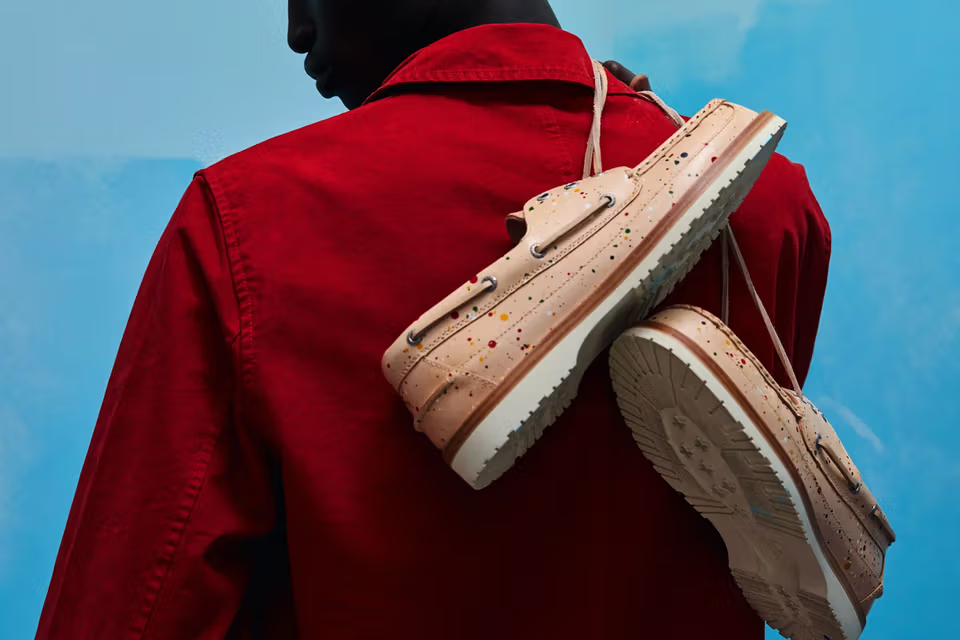

Nigerian-American designer Tobi Egberongbe and his fashion label Mifland have stepped into new territory with their first-ever collaboration with Sperry, the footwear brand synonymous with the American boat shoe since 1935.
The collaboration blends Sperry’s classic design with Mifland’s colorful, architecturally inspired details.
Mifland has built its reputation on bags, accessories, and lifestyle pieces that lean into bold color and intentional design, showcasing Egberongbe’s interest in movement and individuality through fashion.
The collection features reimagined versions of two of Sperry’s most iconic silhouettes.
The Sperry x Mifland 3-Eye Mini Lug reworks the brand’s Authentic Original boat shoe using full-grain, vegetable-tanned vachetta leather, a material chosen specifically for how it darkens and develops character over time. The hand-sewn design references one of Mifland’s signature painted leather bags, carrying over the same distinctive paint colors and incorporating a double-welt construction that gives the shoe a heavier, workwear-inspired feel. A printed sockliner featuring Mifland’s “Million M” graphic, a signature detail from the brand’s leather goods, completes the design. It retails for $225.

The Sperry x Mifland Billfish offers a sportier, more modern take on the classic boat shoe. Contrasting suede panels in different colors appear on each foot, while the brand’s signature “Million M” graphic is featured on the tongue and sockliner. Toggle laces complete the design with a quick-lacing system that reinforces the silhouette’s athletic feel. It retails for $175.

Both styles are available now exclusively at Sperry.com and Mifland.com.
The Black Wall Street Times spoke with Egberongbe about the collaboration and its implications for the future of Mifland.
The Black Wall Street Times: This collaboration is pretty unique from Mifland’s previous collabs and shoe designs. What inspired this partnership and made it different?
Tobi Egberongbe: I’ve always been drawn to brands with a strong legacy, and Sperry is one of them. Growing up, the boat shoe represented a certain lifestyle and a sense of nostalgia, but I saw an opportunity to reinterpret it through a different cultural lens. What made this collaboration different was the challenge of working with such an iconic silhouette and finding ways to tell a new story without losing what people love about it. It wasn’t about reinventing Sperry; it was about reimagining how it could exist in the Mifland universe.
How did you approach honoring Sperry’s legacy while ensuring the collaboration felt unmistakably Mifland?
TE: Respecting Sperry’s DNA was important from day one. We kept the recognizable silhouettes intact because those shapes have stood the test of time. Where Mifland came in was through the details of the materials, textures, color choices, and overall storytelling. I wanted people to immediately recognize it as a Sperry shoe, but then discover the subtle elements that make it feel as if Mifland touched and crafted it with intention.

You’ve said you wanted the shoes to feel “lived in by the artist.” What does that mean visually and emotionally in this collection?
TE: To me, great products shouldn’t feel precious; they should feel personal. When I say “lived in by the artist,” I’m talking about pieces that look like they’ve traveled, collected stories, and developed character over time, just like us. Visually, that’s reflected in the distressed finishes, washed tones, and vintage-inspired details. Emotionally, it’s about creating something that feels familiar from the moment you put it on, like it’s already been a part of your journey rather than something you’re afraid to wear.
Mifland is known for bold color and a handcrafted aesthetic. How does this collaboration expand that identity?
TE: This collaboration shows that craftsmanship doesn’t always have to be loud to be impactful. While Mifland is often associated with bold colors and statement-making designs, I’ve always believed the heart of the brand is thoughtful construction and storytelling. With Sperry, I was able to explore a more refined, understated approach while still bringing the same level of detail and intentionality. It’s another chapter of the Mifland story rather than a departure from it.
Who did you have in mind when designing this collection — longtime Sperry wearers, Mifland supporters, or a new audience entirely?
TE: Honestly, all three. I wanted longtime Sperry fans to see a fresh perspective on a silhouette they already love. I wanted Mifland supporters to experience the brand in a category they may not expect from us. And I wanted to introduce both brands to people who may have never considered either before. The best collaborations build bridges between communities, and that’s what we aimed to do here.
Mifland has collaborated with various brands, including Nike x Jordan. What does this say about the brand’s ability to push the boundaries of creativity regardless of the avenue?
TE: I’ve never been interested in staying inside a single lane. Whether it’s working with Nike, Backwoods, Sperry, or another partner, the goal is always the same: find authentic points of connection and create something people haven’t seen before. Industries may differ, but creativity is universal. These collaborations reflect Mifland’s ability to adapt, tell stories across different platforms, and bring a distinct point of view wherever we show up. That’s always been the brand’s strength, not being defined by a category, but by a creative mindset.

How do you hope this project shifts the way people think about Mifland beyond bags and accessories?
TE: I’ve never viewed Mifland as simply a bag company. At its core, Mifland is a design and storytelling brand. Bags were our starting point, our beginning, but the vision has always been much bigger than any single product category. I don’t think our consumers necessarily see us as only a bag brand, either. That’s evident in the loyalty of our community and the support we’ve received from influential tastemakers, athletes, musicians, and celebrities who have connected with the brand over the years.
This collaboration is an opportunity to further reinforce the idea that Mifland’s creative perspective can translate across categories. Whether it’s bags, footwear, apparel, experiences, or future collaborations, the common thread is always thoughtful design, craftsmanship, and storytelling. I hope people walk away seeing Mifland not as a product company, but as a creative brand with the ability to build culture and create meaningful products wherever we choose to show up.